
 English
 Español
 Pусский
 Indonesia

Dây chuyền sản xuất đúc kim loại hiệu quả năng lượng
Energy-Efficient Metal Casting Production Line The metal casting industry is a significant consumer of energy, but advancements in technology and process optimization have enabled the development of energy-efficient production lines that reduce waste, lower emissions, and improve overall sustainability. An energy-efficient metal casting production line integrates innovative equipment, smart automation, and optimized workflows to minimize energy consumption while maintaining high productivity and quality. Key Components and Technologies 1. High-Efficiency Melting Systems The melting process is one of the most energy-intensive stages in metal casting. Modern production lines utilize induction furnaces or electric arc furnaces with advanced power control systems to improve energy efficiency. These systems recover waste heat and optimize melting cycles, reducing electricity consumption by up to 30% compared to traditional gas-fired furnaces. 2. Waste Heat Recovery Excess heat generated during melting and cooling can be captured and reused for preheating raw materials or powering auxiliary systems. Heat exchangers and thermal storage units enhance energy utilization, lowering overall fuel or electricity demand. 3. Automated Process Control Smart sensors and real-time monitoring systems adjust parameters such as temperature, pressure, and flow rates to optimize energy use. Automated pouring systems ensure precise metal delivery, reducing spillage and rework, which further conserves energy. 4. Energy-Efficient Molding and Core Making Advanced sand molding techniques, such as 3D sand printing, eliminate the need for energy-intensive pattern-making processes. Additionally, inorganic binder systems in core production reduce emissions and energy consumption compared to traditional organic binders. 5. Optimized Cooling and Finishing Controlled cooling systems with variable-speed fans and water recirculation minimize energy waste. Automated finishing processes, including robotic grinding and cutting, improve efficiency while reducing power consumption. Sustainability Benefits - Lower Energy Costs – Reduced electricity and fuel usage lead to significant cost savings. - Reduced Carbon Footprint – Energy-efficient operations decrease greenhouse gas emissions. - Enhanced Productivity – Automation and optimized workflows improve throughput with less energy waste. Conclusion An energy-efficient metal casting production line combines advanced technologies, automation, and waste reduction strategies to achieve sustainable manufacturing. By adopting these innovations, foundries can enhance competitiveness while contributing to environmental conservation.
Sản phẩm
Danh mục:
-
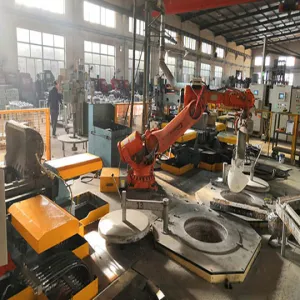
Dây chuyền sản xuất đúc tiết kiệm năng lượng và thân thiện với môi trường
Phân loại của họ: Dây chuyền sản xuất đúc tự độngLượt xem: 31Số:Thời gian phát hành: 2025-12-22 10:38:17Dây chuyền sản xuất đúc tiết kiệm năng lượng và thân thiện với môi trường được thiết kế để mang lại khả năng đúc kim loại hiệu quả cao, ít phát thải cho các ứng dụng công nghiệp. Tích hợp xử lý khuôn tự động, kiểm soát nhiệt độ chính xác và hệ thống làm mát được tối ưu hóa, nó giảm thiểu mức tiêu thụ năng lượng trong khi vẫn duy trì chất lượng ổn định và độ chính xác về kích thước. Thích hợp cho thép, nhôm và hợp kim đồng, dây chuyền sản xuất này giúp giảm lãng phí nguyên liệu và chi phí vận hành. Cảm biến tiên tiến và hệ thống điều khiển thông minh giám sát mọi giai đoạn của quá trình đúc, đảm bảo hiệu suất và độ tin cậy vượt trội. Lý tưởng cho sản xuất ô tô, hàng không vũ trụ và máy móc hạng nặng, nó hỗ trợ các hoạt động sản xuất bền vững đồng thời nâng cao năng suất và tính nhất quán của sản phẩm.
Tin tức
Danh mục:
Không có kết quả tìm kiếm!
Trường hợp
Danh mục:
Không có kết quả tìm kiếm!
Video
Danh mục:
Không có kết quả tìm kiếm!
Tải về
Danh mục:
Không có kết quả tìm kiếm!
Tuyển dụng
Danh mục:
Không có kết quả tìm kiếm!
Sản phẩm được đề xuất
Không có kết quả tìm kiếm!



 Điện thoại